

Warning Signs of a Silent Heart Attack Everyone Should Know
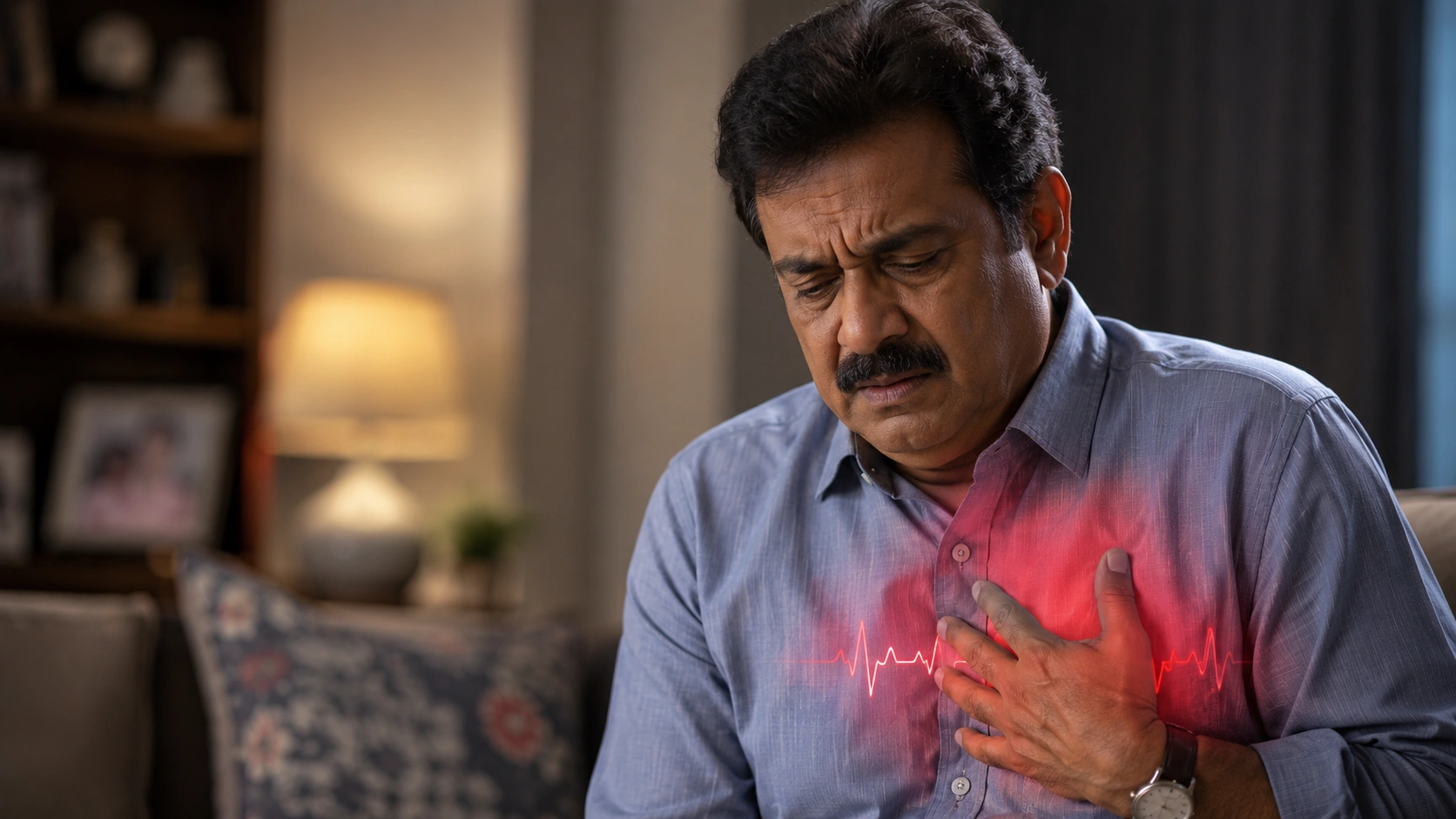
When you picture a heart attack, you may imagine a dramatic scene—sudden chest pain, breathlessness, or collapsing without warning. But not all heart attacks look this way. Some strike quietly, with signs so subtle that you might overlook them. These are called silent heart attacks, and while they may not cause the classic chest-clutching moment, they can be just as dangerous.
A silent heart attack damages your heart muscle without you realizing it at the time. Because the symptoms are often mild or confusing, you may delay seeking help, which increases the risk of serious complications later. Learning how to recognize these hidden warning signs could make the difference between early treatment and long-term heart damage.
What Exactly Is a Silent Heart Attack?
A silent heart attack occurs when part of the heart muscle doesn’t receive enough blood—usually due to blocked or narrowed arteries. Unlike the classic heart attack marked by intense chest pain, a silent one may cause only mild discomfort, fatigue, or no symptoms at all. Because of its subtle nature, many people remain unaware until a routine test reveals signs of heart damage. Though it may be quiet, its impact can be serious—making early detection and regular check-ups essential.
Who Is More Likely to Experience One?
While anyone can experience a silent heart attack, certain groups are at higher risk:
- People with diabetes – High blood sugar can damage nerves, which sometimes reduces the ability to feel pain.
- Older adults – As you age, symptoms may appear differently or be easily dismissed as “just getting older.”
- Women – Women are more likely to have subtle signs such as nausea, jaw pain, or fatigue rather than classic chest pain.
- Individuals with high blood pressure, high cholesterol, or a smoking history – These conditions weaken heart health and increase the risk.
Subtle Warning Signs You Should Pay Attention To
Far from the dramatic portrayals on screen, a silent heart attack speaks in whispers. Here’s what to listen for:
1. Unusual Fatigue
If you feel drained even after resting, or struggle with simple tasks like climbing stairs, it could be your heart asking for help.
2. Mild Chest Discomfort
Rather than sharp or intense pain, you might feel a subtle pressure, tightness, or a squeezing sensation that comes and goes. It’s often mistaken for acidity, gas, or indigestion—making it easy to overlook.
3. Shortness of Breath
Sudden breathlessness while doing normal activities—walking, talking, or carrying groceries—can be a red flag that your heart is struggling.
4. Pain Beyond the Chest
Discomfort in your back, neck, jaw, or even arms may signal heart trouble, particularly in women.
5. Nausea, Dizziness, or Cold Sweats
These flu-like symptoms may seem minor, but they could indicate reduced blood flow to your heart.
6. Heart Palpitations or Light-headedness
If your heartbeat feels irregular or you feel faint without reason, it may point to a cardiac event.
Why Silent Heart Attacks Are So Dangerous
The biggest danger is delay in treatment. If you don’t recognize the symptoms, you may continue your day as usual while your heart sustains damage. This can lead to long-term complications such as:
- Heart failure – when the heart weakens and struggles to pump blood.
- Irregular heart rhythms – which can increase the risk of stroke.
- Another, more severe heart attack – that may be fatal.
In fact, studies show nearly one in five heart attacks is silent. That’s why awareness is crucial.
How to Respond If You Suspect a Silent Heart Attack
- Do not ignore the signs. Trust your instincts when something feels “off.”
- Seek emergency care immediately. Call for help instead of waiting to see if the discomfort passes.
- Get tested. An ECG, blood test, or imaging can detect heart damage and prevent further complications.
- Schedule regular check-ups. Routine health screenings are key to catching silent risks early. By monitoring your cholesterol, blood pressure, and blood sugar levels, you can stay one step ahead and make timely decisions for your heart health.
Practical Ways to Lower Your Risk
Prevention is always wiser than cure—and when it comes to heart health, small changes can make a big impact. Here’s how you can take charge:
- Nourish your body with a balanced diet rich in vegetables, fruits, whole grains, and healthy fats.
- Stay active by aiming for at least 30 minutes of moderate exercise, five days a week.
- Avoid harmful habits like smoking, and keep alcohol intake in check.
- Manage stress through mindfulness, yoga, deep breathing, or any activity that helps you unwind.
- Stay proactive with regular health check-ups—especially if you have high blood pressure, diabetes, or a family history of heart disease.
Conclusion
A silent heart attack may not come with dramatic symptoms, but it is just as serious as any other heart emergency. By knowing the subtle warning signs and responding quickly, you can prevent lasting damage and protect your future health.
At Sundaram Medical Foundation (SMF), our expert cardiologists and advanced facilities are here to guide you with preventive screenings, timely diagnosis, and personalized care.

✓ Medically Reviewed
Reviewed for medical accuracy by certified specialists at SMF
Meet Our Medical Review Board