

Understanding PCOS and Its Impact on Women’s Health
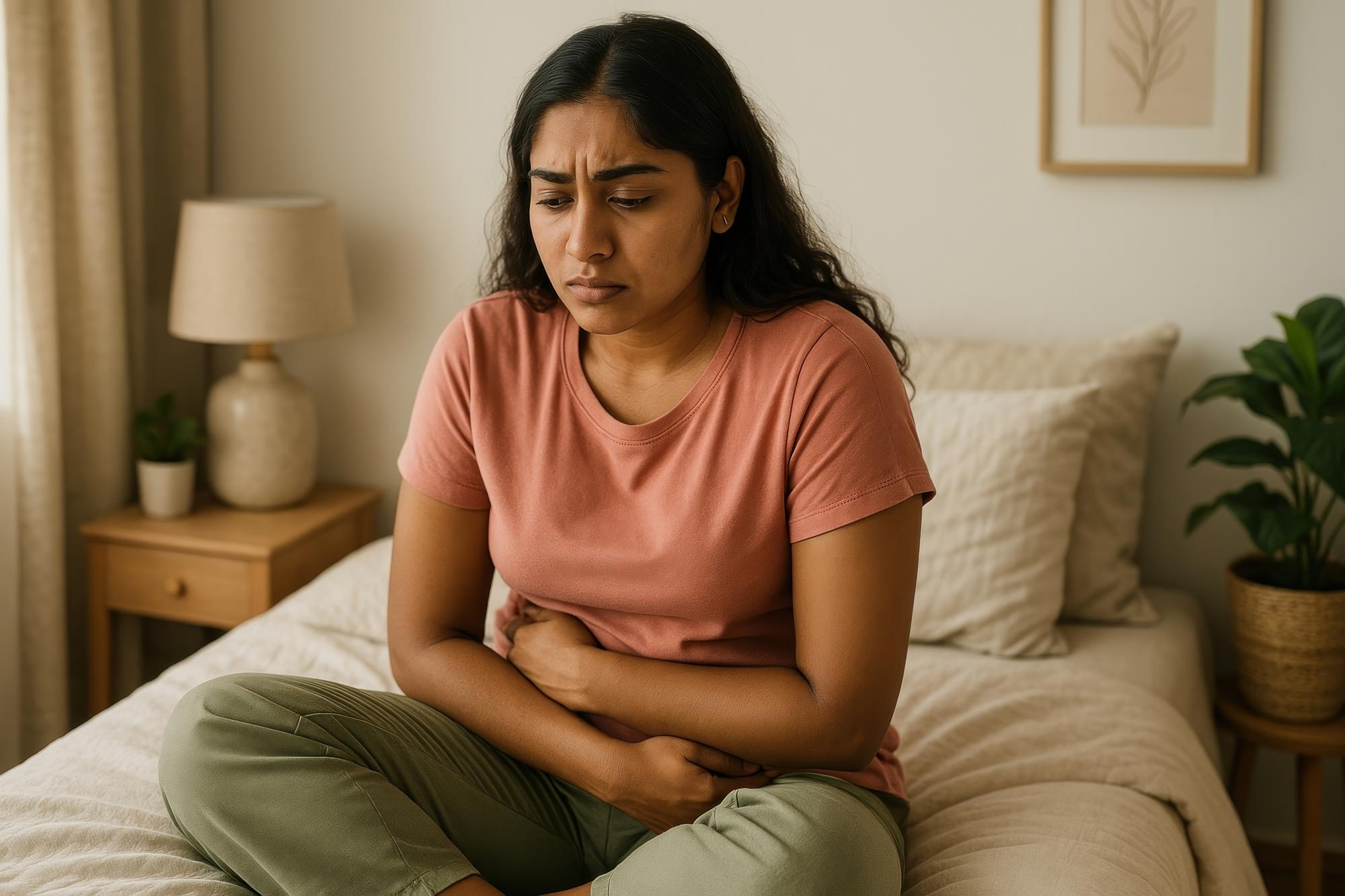
Most women have heard the term PCOS at some point, but not many fully understand what it really means or how deeply it can affect everyday life. Polycystic Ovary Syndrome is not a rare condition. It has quietly become one of the most common hormonal issues among women today, especially in cities where work hours are long, meals are rushed, and stress is part of the routine. Doctors estimate that nearly one in every five Indian women of reproductive age has PCOS in some form. Yet many go through years of irregular periods, mood swings, or unexplained weight gain without realising what’s going on inside their bodies.
PCOS happens when the ovaries produce higher than normal levels of male hormones, called androgens. This imbalance interferes with the release of eggs during each menstrual cycle. Instead of a mature egg, small fluid-filled sacs begin to form on the ovaries. They are not dangerous by themselves, but they disturb the natural rhythm of the body and set off a chain of other changes — missed cycles, acne, hair fall, or difficulty conceiving.
There isn’t one single cause behind PCOS. It’s usually a mix of genetics, hormones, and lifestyle. If your mother or sister has it, your chances increase. High insulin levels also play a big role. When the body becomes resistant to insulin, the pancreas produces more of it to keep blood sugar under control, and that extra insulin stimulates the ovaries to release more androgens. Over time, this cycle affects not just fertility but overall metabolism.
For many women, the first signs of PCOS are visible in the mirror or felt in daily life — persistent acne even after adolescence, sudden weight gain that doesn’t respond to diet, or irregular menstrual cycles that come once in two or three months. Some notice extra facial hair growth or hair thinning on the scalp. These changes are uncomfortable and often emotionally draining. What makes it worse is the uncertainty — you don’t always know why it’s happening or how to fix it.
Beyond the obvious symptoms, PCOS affects health in quieter ways. Irregular ovulation increases the risk of infertility, but it can also lead to long-term issues like diabetes, high blood pressure, and heart disease. Because the condition is linked to insulin resistance, women with PCOS are more likely to develop metabolic disorders later in life. Mental health, too, is affected. Many experience mood swings, anxiety, or low self-esteem, especially when physical symptoms like acne or weight gain become hard to manage.
Early diagnosis can change everything. The trouble is, PCOS doesn’t always show up in the same way for everyone. Some women have regular cycles but still struggle with hormonal imbalance. That’s why routine gynaecological check-ups are so important. A doctor may suggest blood tests to check hormone levels and an ultrasound to look at the ovaries. Once diagnosed, treatment is tailored to each woman’s needs — sometimes medication is required, but often, consistent lifestyle changes can make a bigger difference than expected.
Lifestyle is, in fact, the cornerstone of managing PCOS. Regular physical activity helps the body use insulin more effectively and keeps hormone levels balanced. You don’t need an intense gym schedule — even a daily brisk walk or yoga session can help. Eating right is equally important. A balanced diet with more vegetables, fibre, and proteins and less refined sugar and junk food keeps blood sugar steady and reduces inflammation. Weight loss, even if small, can restore menstrual regularity in many cases.
But the journey isn’t just physical. Dealing with PCOS requires patience. There are good days and frustrating ones. Emotional support matters — from family, friends, or professionals. Talking openly with your doctor helps too. Understanding the condition and asking questions takes away the fear that often surrounds it.
Fertility is one area where misconceptions about PCOS are common. Many women assume that having PCOS means they can never conceive. That’s not true. With proper management, many women with PCOS go on to have healthy pregnancies. Sometimes it takes time and medical guidance, but it’s absolutely possible.
What’s important to remember is that PCOS isn’t a reflection of failure or neglect. It’s a medical condition that can be managed when caught early and handled with consistency. Ignoring symptoms or delaying treatment only allows it to interfere more with health, mood, and confidence.
At Sundaram Medical Foundation (SMF), the approach to PCOS goes beyond prescribing medicine. Doctors work closely with nutritionists, endocrinologists, and counsellors to address every part of a woman’s health — hormonal, physical, and emotional. The goal is not just to control symptoms but to help women regain balance and long-term wellbeing.
If you’ve noticed changes in your menstrual cycle, persistent skin problems, or sudden weight fluctuations, it may be time to get checked. PCOS is manageable, especially when diagnosed early.
Book your consultation at Sundaram Medical Foundation (SMF) and take the first step towards understanding your body better.

✓ Medically Reviewed
Reviewed for medical accuracy by certified specialists at SMF
Meet Our Medical Review Board