

How Family-Centered Hospitals Improve Patient Experience
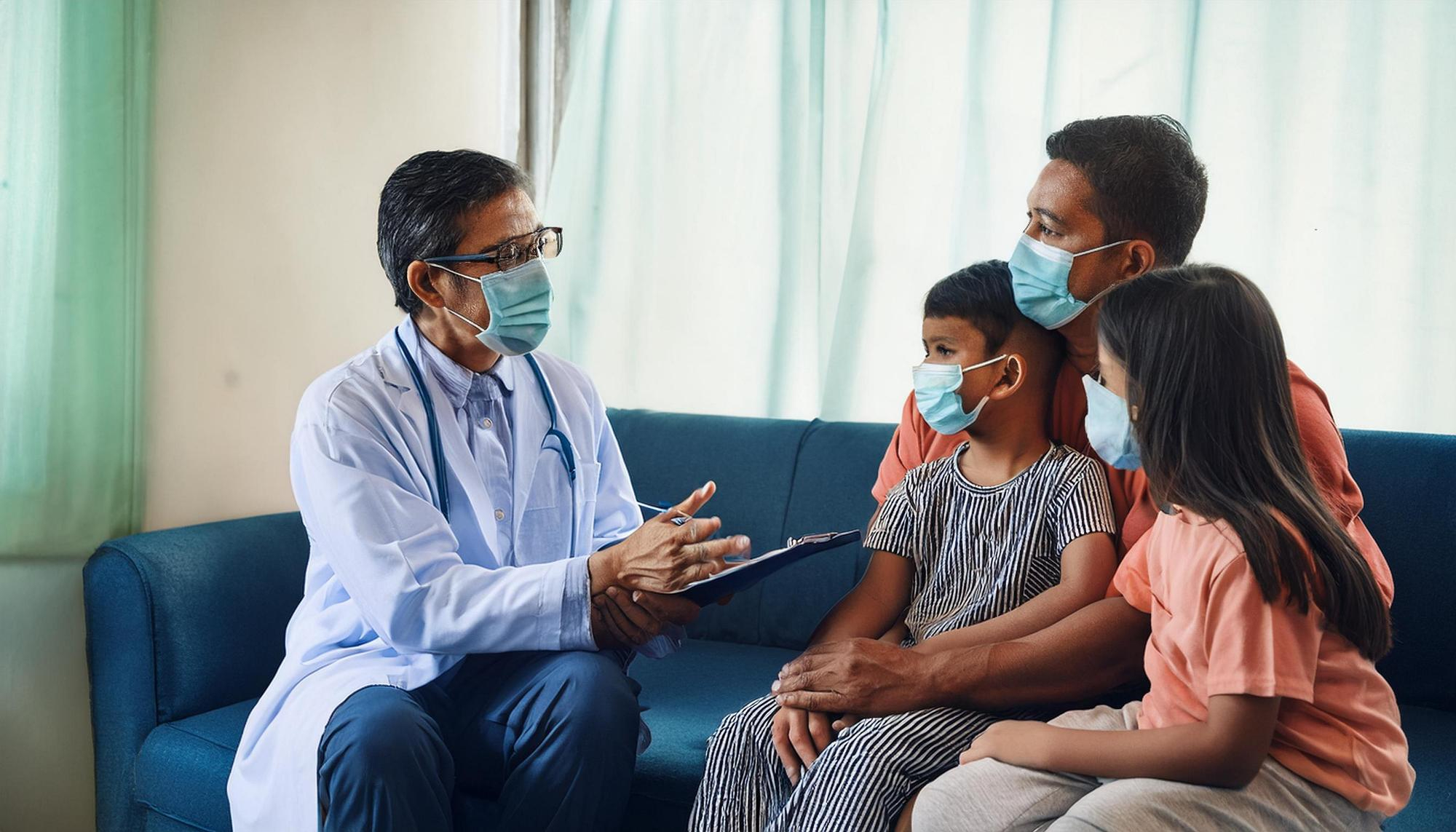
Walk into any hospital during an emergency, and you’ll notice something people rarely come alone. A parent grips their child’s hand, a daughter supports her father, a spouse waits anxiously outside a procedure room. Illness doesn’t affect just one person. It weighs on everyone close to them. This is why family-centered hospitals stand out. They understand that good medical care is not only about medicines and machines; it’s also about comfort, reassurance, and the strength that comes from having someone familiar in the room.
For decades, hospitals were designed around clinical routines. Families stayed outside, waiting for updates that often came after long hours. But things have changed. More hospitals now recognise that when families are involved in conversations, in decisions, in day-to-day care patients heal better. The shift didn’t happen overnight; it came from seeing real people struggle with fear, confusion, and loneliness inside highly clinical spaces.
A recent case at a Chennai hospital shows this clearly. A middle-aged woman recovering from a stroke was anxious and restless. Her daughter insisted on being present during physiotherapy sessions, not to interfere but to understand how she could assist at home. When the team allowed it, the change was almost immediate. The patient relaxed, followed instructions more confidently, and slowly regained mobility. Her recovery wasn’t just medical it was emotional. And emotion, more than we acknowledge, is often the turning point.
Families bring a sense of normalcy into a place that can feel overwhelming. A patient lying in a hospital bed sees new faces, hears unfamiliar sounds, and feels vulnerable. A family member sitting beside them brings grounding. They translate what the doctor says, catch details the patient misses, and provide the kind of comfort no staff member, however kind, can offer. Treatment may be medical, but reassurance is personal.
Hospitals that follow a family-centered approach make space for this kind of involvement. They don’t shut families out; they welcome them in thoughtfully and safely. The care team explains the treatment plan clearly, addressing questions that patients sometimes hesitate to ask. When families understand what’s happening, they become active partners in the healing process. This clarity reduces misunderstandings too — no panic from misheard instructions, no guessing.
Children, especially, respond remarkably to family presence. A child in a hospital room without a parent is scared, often unable to express what they feel. When parents are allowed to stay close, the fear reduces. Feeding, holding hands during injections, calming the child during tests — these simple actions transform the experience. Paediatric teams have always known this, but now more hospitals are making arrangements to support it.
Even adults benefit from that sense of security. Older patients recovering from surgery feel more confident when a spouse or child is nearby. Those with chronic illnesses, like diabetes or kidney disease, depend heavily on family members for routine care once they return home. When the family is involved from the start, they learn the right way to support recovery. They know the diet changes required, the medication schedule, the warning signs to watch out for. It prevents complications later and builds trust between everyone involved — patient, family, and care team.
Critical care units, although more restricted, are also finding ways to integrate families. Short visits, video updates, or daily briefings with doctors help families feel connected. These small gestures reduce anxiety on both sides. Critical illness affects the whole family, and having structured communication eases a part of that emotional burden.
Family-centered care improves satisfaction too. Patients feel acknowledged as individuals, not case numbers. Families feel respected because their role is valued rather than sidelined. This mutual respect changes how people perceive hospitals — less intimidating, more human.
The design of the hospital environment plays a role as well. Many modern hospitals now include family lounges, comfortable waiting spaces, private counselling areas, and rooms where a relative can stay overnight. These are not luxuries; they are thoughtful additions that make long hospital stays less stressful. When families are comfortable, they support patients better.
Another quiet benefit is dignity. Illness often strips people of control. Decisions are made for them, schedules are set for them, and vulnerability becomes a constant companion. When families are involved, the patient regains a sense of agency. They know someone they trust is part of the discussions. This restores confidence and reduces fear — two elements that heavily influence recovery.
At Sundaram Medical Foundation, family-centered care has been part of the hospital’s culture for years. The medical teams work closely with families, making sure everyone understands the treatment, expected progress, and care responsibilities. Whether it’s a child recovering from fever, an older adult post-surgery, or someone managing a long-term illness, the hospital believes that healing happens faster when families and clinicians work together.
If you want care that supports not only the patient but also the people around them, SMF offers a setting where medical expertise and family involvement go hand in hand. Book a consultation or visit SMF to experience a hospital environment that treats healing as a shared journey.

✓ Medically Reviewed
Reviewed for medical accuracy by certified specialists at SMF
Meet Our Medical Review Board