

Understanding Endoscopy: What Patients Should Expect
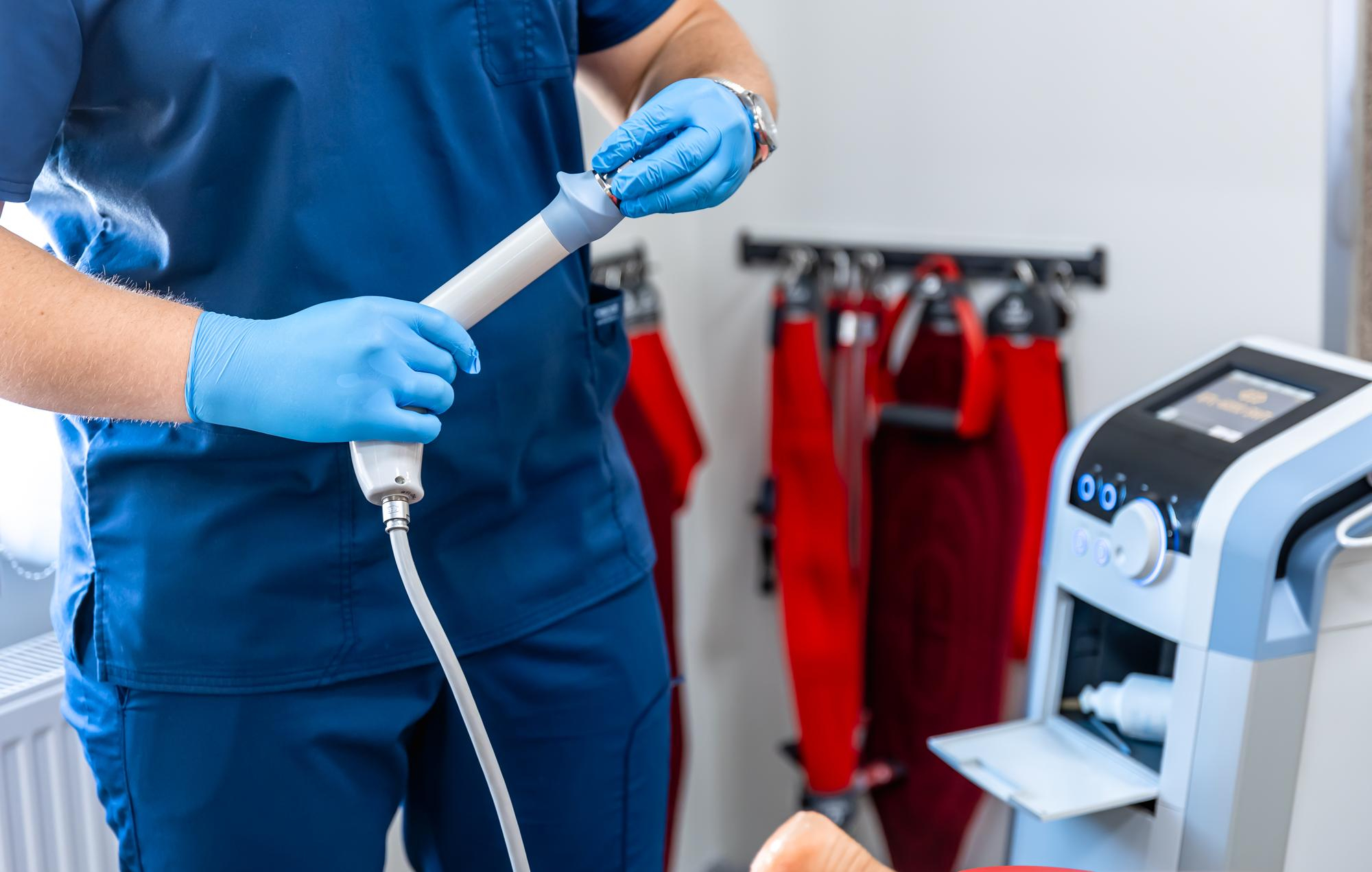
When your doctor recommends an endoscopy, it’s natural to feel a little anxious. The thought of a tube with a camera being used to examine your body may sound intimidating at first. But the truth is, endoscopy has become one of the safest, most effective ways for doctors to diagnose and sometimes even treat medical conditions without the need for major surgery.
Clarity around clinical procedures supports better decision-making and patient outcomes. Knowing the rationale, methodology, and recovery expectations enables individuals to engage proactively with their care plan and fosters greater confidence in the treatment process.
What Is an Endoscopy?
An endoscopy is a minimally invasive procedure that involves the use of a thin, flexible instrument equipped with a light source and camera—known as an endoscope—to visually examine internal organs and structures. It enables direct assessment of areas such as the gastrointestinal tract, aiding in accurate diagnosis and targeted intervention. Depending on your symptoms and health needs, it can help doctors check your digestive tract, lungs, urinary system, or other areas without large incisions.
There are different types of endoscopies, such as:
- Gastroscopy/Upper GI endoscopy – to examine the esophagus, stomach, and small intestine.
- Colonoscopy – A diagnostic procedure used to examine the inner lining of the large intestine, including the colon and rectum, for abnormalities such as inflammation, polyps, or malignancies.
- Bronchoscopy – to evaluate the lungs and airways.
- Cystoscopy – A diagnostic procedure used to visually examine the bladder and urethra using a cystoscope, a thin tube equipped with a light and camera. It aids in identifying structural abnormalities, infections, or other urological conditions.
By directly visualizing internal organs, doctors can detect inflammation, ulcers, blockages, polyps, or even early cancers that may not show up clearly on scans alone.
Why Might You Need an Endoscopy?
An endoscopy may be recommended based on the presence of specific symptoms or diagnostic concerns. Common indications include:
- Persistent stomach pain or bloating
- Difficulty swallowing
- Unexplained bleeding, nausea, or vomiting
- Changes in bowel habits or unexplained weight loss
- Chronic cough or breathing issues
Sometimes, endoscopy is also performed for screening purposes, such as colonoscopy after the age of 45 to check for colorectal cancer. In certain cases, the procedure can also be therapeutic—doctors can remove small growths, stop bleeding, or widen narrowed passages during the same session.
How to Prepare for the Procedure
Preparation depends on the type of endoscopy, but there are a few common steps you may need to follow:
- Fasting – For upper GI endoscopy, you’ll usually be asked not to eat or drink for several hours before the procedure.
- Bowel prep – For colonoscopy, your doctor may prescribe a laxative or special solution to clear your intestines.
- Medication adjustments – If you take blood thinners, diabetes medicines, or have certain health conditions, your doctor will give specific instructions.
- Arrange support – As sedatives or anesthesia may be administered during the procedure, temporary drowsiness or impaired alertness can occur afterward. It is advisable to arrange for a responsible adult—such as a family member or caregiver—to accompany the patient and assist with transportation and immediate post-procedure care.
What Happens During an Endoscopy?
While each type differs slightly, the general process is similar:
- Sedation or anesthesia – To make you comfortable, you’ll either receive a sedative through an IV or local anesthesia in the area being examined.
- Insertion of the endoscope – The thin, flexible tube is gently inserted into the area (such as the mouth or rectum) depending on the procedure.
- Examination and images – The built-in camera transmits real-time images to a screen, allowing the doctor to carefully examine the internal organs.
- Additional procedures (if needed) – Biopsies, polyp removal, or other minor treatments can be performed immediately, reducing the need for a separate surgery.
Is an Endoscopy Painful?
One of the biggest concerns patients have is whether the procedure will hurt. The good news is that most people only experience mild discomfort—like a feeling of fullness, bloating, or a sore throat afterward—rather than pain. Sedation helps you remain relaxed, and the instruments used are designed to be gentle and flexible.
Recovery and Aftercare
Following the procedure, patients are monitored in a recovery area until the effects of sedation subside. Transient symptoms such as grogginess, abdominal bloating, or throat discomfort may occur, but these typically resolve within a short period. In most cases, patients are discharged the same day and may resume routine activities within 24 hours, unless otherwise directed by the treating physician.
The results of the endoscopy will be discussed either immediately or during a follow-up consultation, particularly if biopsy samples were obtained. Adhering to post-procedure instructions regarding diet, medication, and rest is essential to ensure optimal recovery.
The Benefits of Endoscopy
Endoscopy presents multiple benefits when compared to traditional open surgical approaches, including:
- Minimally invasive – No large cuts, fewer complications, and quicker recovery.
- Accurate diagnosis – Real-time images help detect problems early.
- Therapeutic options – Polyps can be removed or bleeding controlled during the same session.
- Peace of mind – Detecting issues early helps you manage your health effectively.
When to Call Your Doctor After an Endoscopy
While complications are rare, you should seek medical attention if you experience:
- Persistent abdominal pain or swelling
- Fever or chills
- Difficulty breathing
- Severe bleeding or black stools
Prompt follow-up ensures your safety and well-being.
Conclusion
Endoscopy may sound intimidating at first, but it is one of the safest and most effective ways to understand what’s happening inside your body. By knowing what to expect before, during, and after the procedure, you can approach it with confidence instead of fear.
At Sundaram Medical Foundation (SMF), our specialists use advanced technology and a compassionate approach to ensure your endoscopy experience is safe, comfortable, and informative.

✓ Medically Reviewed
Reviewed for medical accuracy by certified specialists at SMF
Meet Our Medical Review Board